
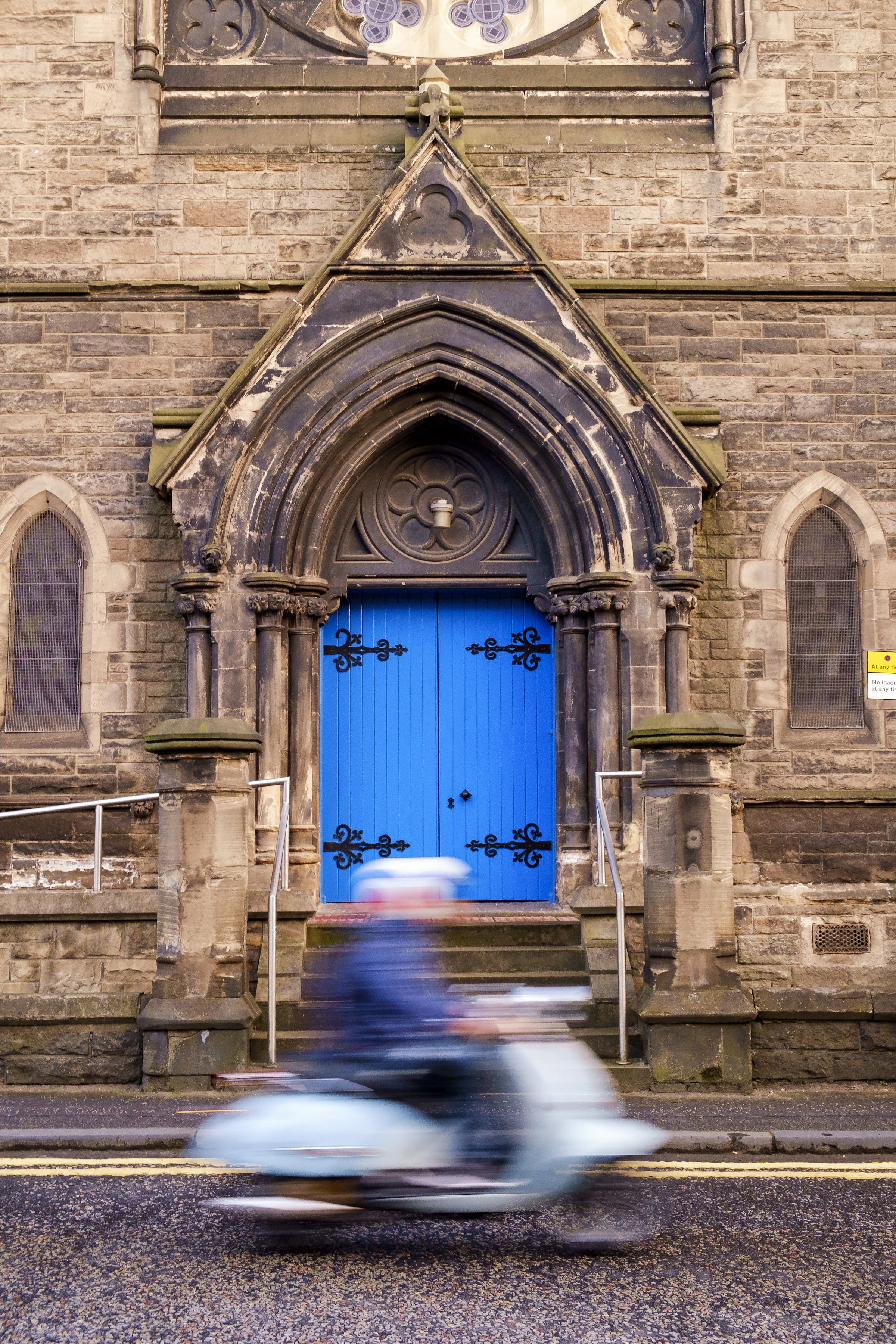

The Church: God's Plan for Healing Broken Lives
Addiction is not a chemical problem; it is a soul problem. While medical interventions are often necessary during detox, they do not change the heart. Addiction touches the deepest parts of a person—their identity, hope, and purpose. This is where the local church steps in and provides the God-ordained community that surrounds and supports lasting healing.
The church is not just a building or a weekly service. It's a family—a spiritual household where people point others to the Gospel, love, serve, and carry one another through trials. When someone struggling with addiction enters this kind of Christ-centered community, they don't just find treatment—they find belonging. They find people willing to walk with them for the long haul.
Galatians 6:2 calls us to "bear one another's burdens, and so fulfill the law of Christ." This is the calling of the local church: to be a place where people are not alone in their suffering. In the church, healing happens in the context of relationships, rooted in the love of Christ and empowered by the Spirit.
This doesn’t mean churches are perfect. But it does mean that they are equipped by God to reflect His grace and truth. A local church is a living witness that people don’t have to walk through recovery alone. It’s a place where failures are met with forgiveness, and where progress is celebrated, no matter how small. It offers a unique environment where a person can be known, loved, challenged, and supported all at once.
Addiction isolates. The church invites. Addiction shames. The church embraces. Addiction lies. The church speaks truth. In a world of quick fixes and temporary relief, the local church offers something far more enduring: a redemptive, healing community built on the foundation of Jesus Christ.
"He sets the lonely in families..." — Psalm 68:6
